Clinical Confidence: Administering Medications and Caring for Senior Pets on the Road
How clinical veterinary technologist and emergency nursing backgrounds ensure stress-free medication routines, injection compliance, and senior comfort while you travel.

Clinical Confidence: Administering Medications and Caring for Senior Pets on the Road
How veterinary technologist, emergency nursing, and paramedicine backgrounds ensure stress-free medication routines, injection compliance, and senior comfort while you travel.
For many pet owners, the hardest part of planning a trip is worrying about an aging dog or cat who relies on strict daily medications, insulin injections, mobility support, or post-operative care. Boarding kennels can be overwhelming for senior animals—which is why in-home, clinically experienced care makes all the difference.
1. Creating a Foolproof Twice-Daily Medication Log
In both veterinary clinics and emergency medicine, medication accuracy never relies on memory alone. Whenever we care for pets on daily prescriptions or supplements, we establish a written check-off chart in the kitchen from day one.
- Exact Timing & Food Pairing: Whether a pet requires thyroid tablets on an empty stomach, insulin injections strictly after meals, or joint and cardiac medications hidden in a favourite treat, we log every dose as it is given.
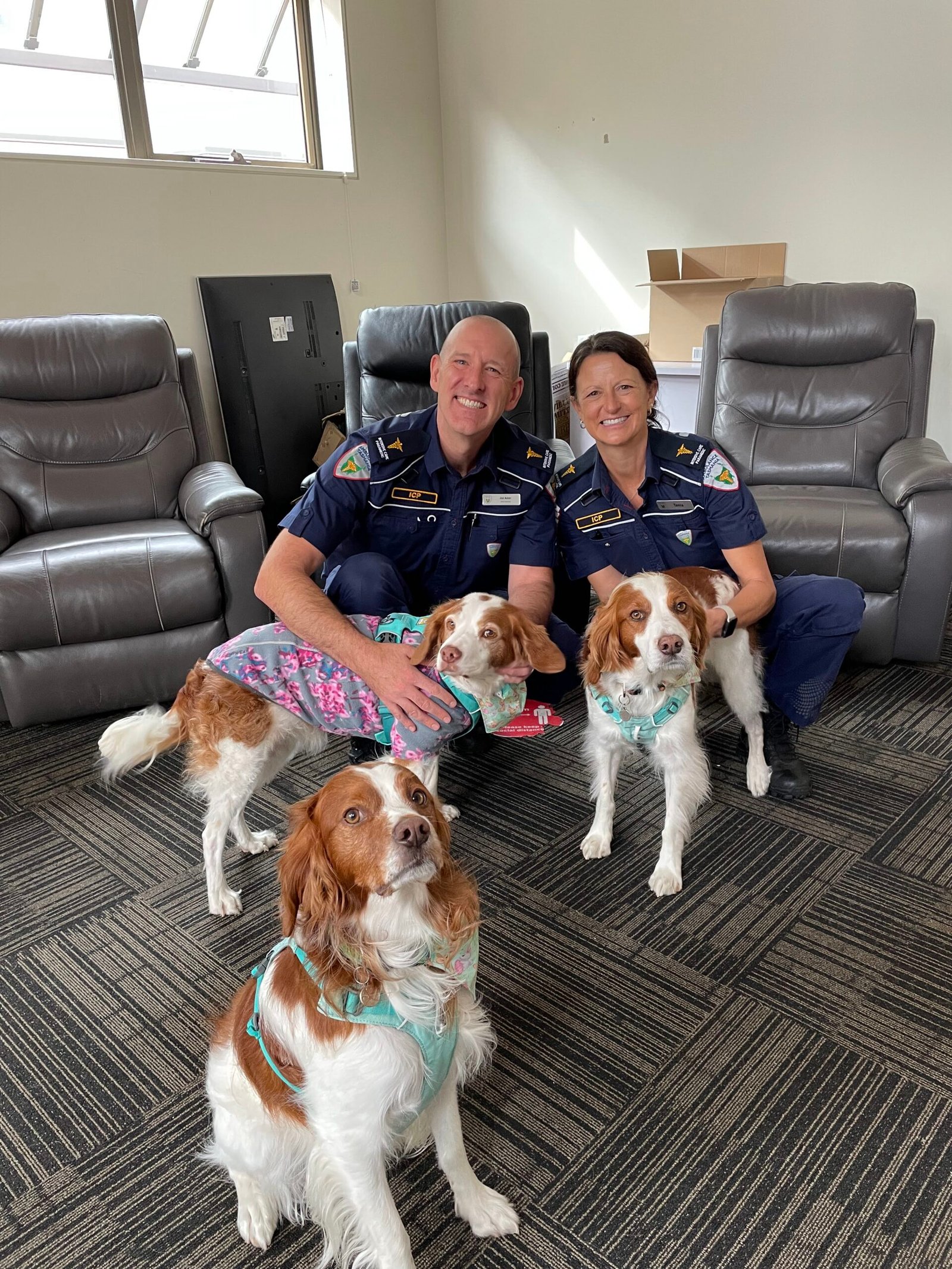
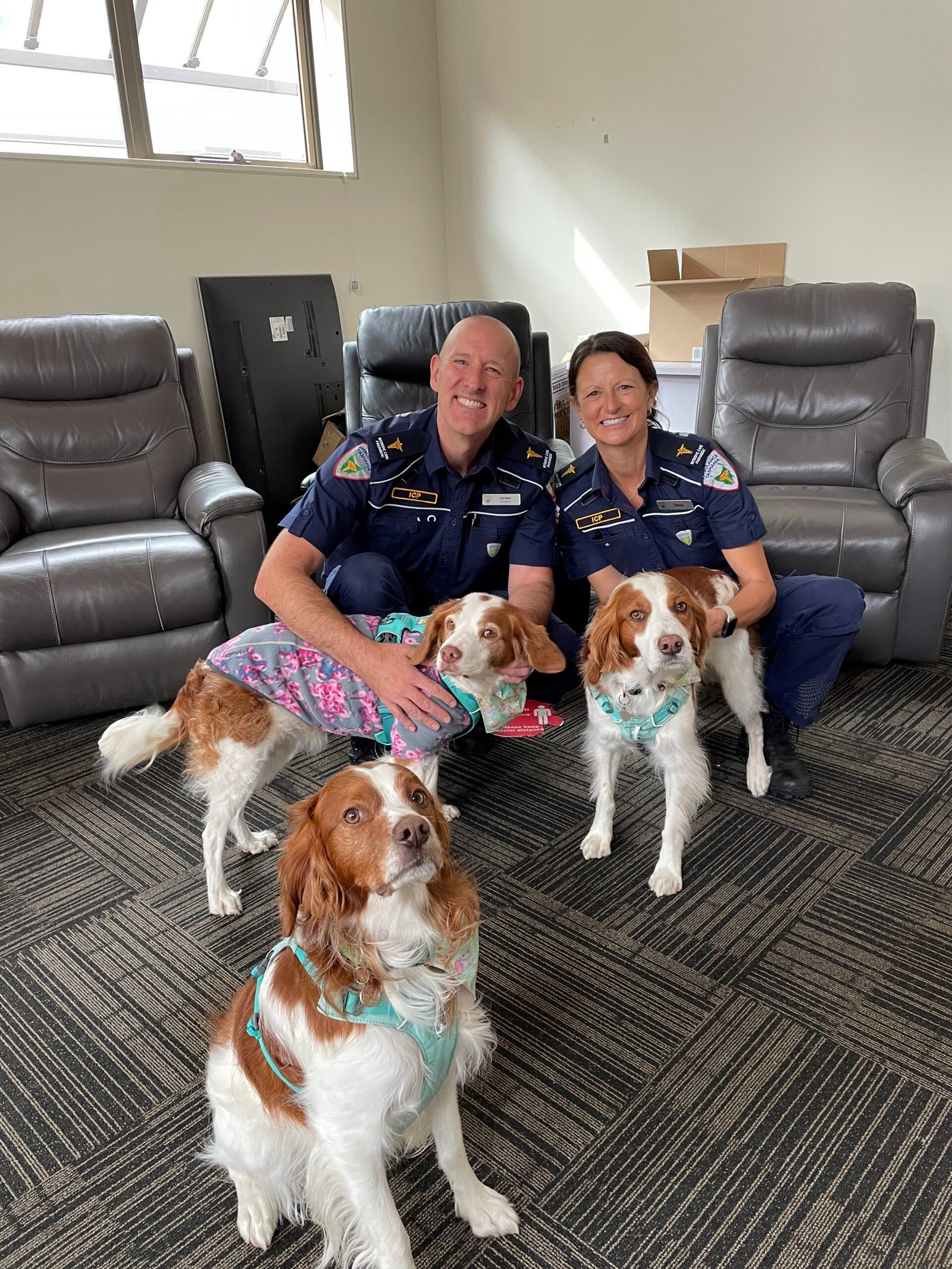
- Oral, Topical & Injectable Confidence: With Joe’s background as a Former Ambulance Service Chief Executive and Paramedic and Animal Health Technologist, and Tania’s background as a Registered Emergency Nurse and Intensive Care Paramedic, administering subcutaneous injections, eye/ear drops, inhalers, or oral syringes is second nature to us—performed gently and without stress for your pet.
2. Recognizing Early Subtle Signs in Aging Pets
Older pets rarely announce when they are uncomfortable; instead, they show subtle changes in hydration, gait, respiratory effort, appetite, or sleeping posture. Because our semi-retired and remote schedules keep us present at home throughout the day, we notice small shifts early and communicate with you—and your veterinarian if needed—before minor issues escalate.
3. Maintaining Strict Routine & Mobility Comfort
For pets with arthritis, cognitive changes, or diminishing eyesight, familiarity is everything. We keep furniture layouts unchanged, use non-slip rugs or ramps for steps and vehicles, pace daily walks to match your senior dog’s joints and weather conditions, and provide plenty of quiet sofa or garden companionship.
Preparing for Your Upcoming Trip?
Download our printable pre-trip handover checklist for home, pet, and farm & acreage owners, or save our 1-page sitter profile summary.