The Rural, Farm & Acreage Handover: How to Prepare Your Property for a Sitter
From backup generator protocols to water trough maintenance and mower safety, here is how to prepare your farm and acreage for complete peace of mind.

The Rural, Farm & Acreage Handover: How to Prepare Your Property for a Sitter
From backup generator protocols to stock water trough checks and tractor, skid steer, and mower safety, here is how to set up your farm and acreage property for complete peace of mind while you travel.
Handing over a rural farm and acreage property is very different from handing over a suburban apartment. When your land relies on bore or well pumps, rainwater harvesting, electric fencing, and seasonal machinery, a thorough handover turns potential emergencies into calm routine checks.
1. Farm & Acreage Water Supply, Pumps & Stock Trough Monitoring
On any farm and acreage property, water is the first priority every morning. Whether your property runs on a deep bore pump, creek extraction licence, rainwater cisterns, or a Canadian pressure-tank well system, showing your sitters the physical layout before you depart is invaluable.
- Main & Paddock Shut-Off Valves: Walk your sitters to the main isolation valve, pump house switches, and individual paddock line taps so a cracked poly pipe or stuck float valve can be isolated in minutes.
- Trough Float Valves & Daily Checks: In warm Australian summers or freezing Canadian shoulder seasons, stock troughs require daily physical inspection. Show where spare float valves, plumbing tape, and trough-cleaning brushes are stored.
- Filtration & UV Systems: Note any pressure gauges, sediment filters, or tank-transfer switches that require weekly monitoring.
2. Tractors, Skid Steers, Mowers, Brush Cutters & Fuel Safety
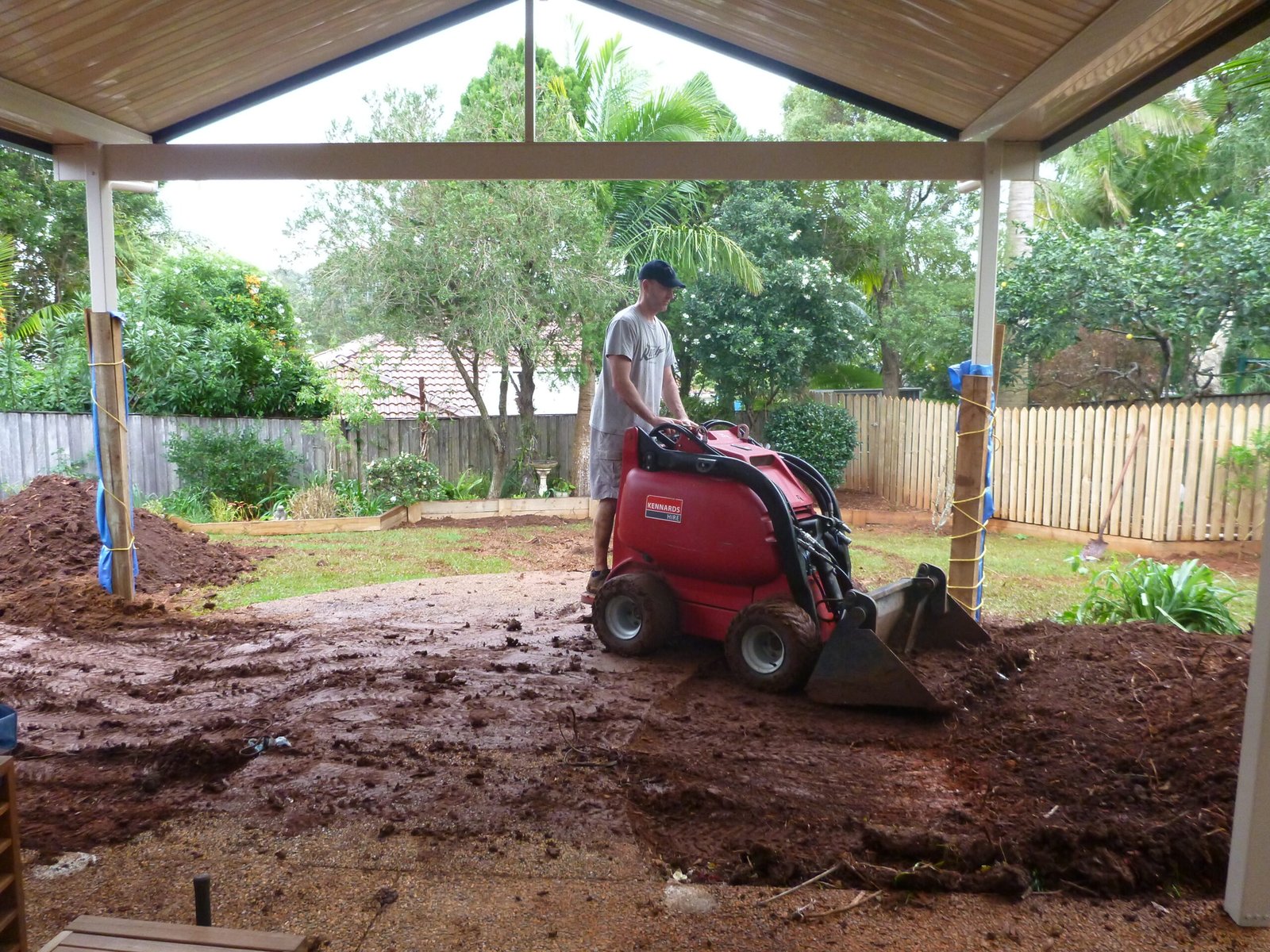
Keeping firebreaks trimmed, orchard lanes mown, and manure or hay moved requires sitters who are genuinely comfortable around machinery—and who hold commercial driver’s licences in both Canada (Class 4) and Australia (Medium Rigid). During our walkthrough, we always ask homeowners to demonstrate:
- Cold-start procedures, PTO engagement, and attachment settings for tractors, skid steers, mowers, and brush cutters;
- Clearly labelled diesel, unleaded, and two-stroke fuel cans, plus grease guns and tyre air compressors;
- Any hidden ground hazards in paddocks or lawns—such as irrigation heads, tree stumps, septic lids, or soft creek banks.
3. Perimeter Fencing, Gates & Livestock Walks
A secure perimeter keeps horses, cattle, sheep, pigs, and poultry safe inside and predators out. Leave a simple mud-map of your property showing paddock names, electric fence energiser locations, fault-finder testers, and which gates must remain chained or latched at all times.
4. Veterinary, Farrier & Local Emergency Dispatch Protocols
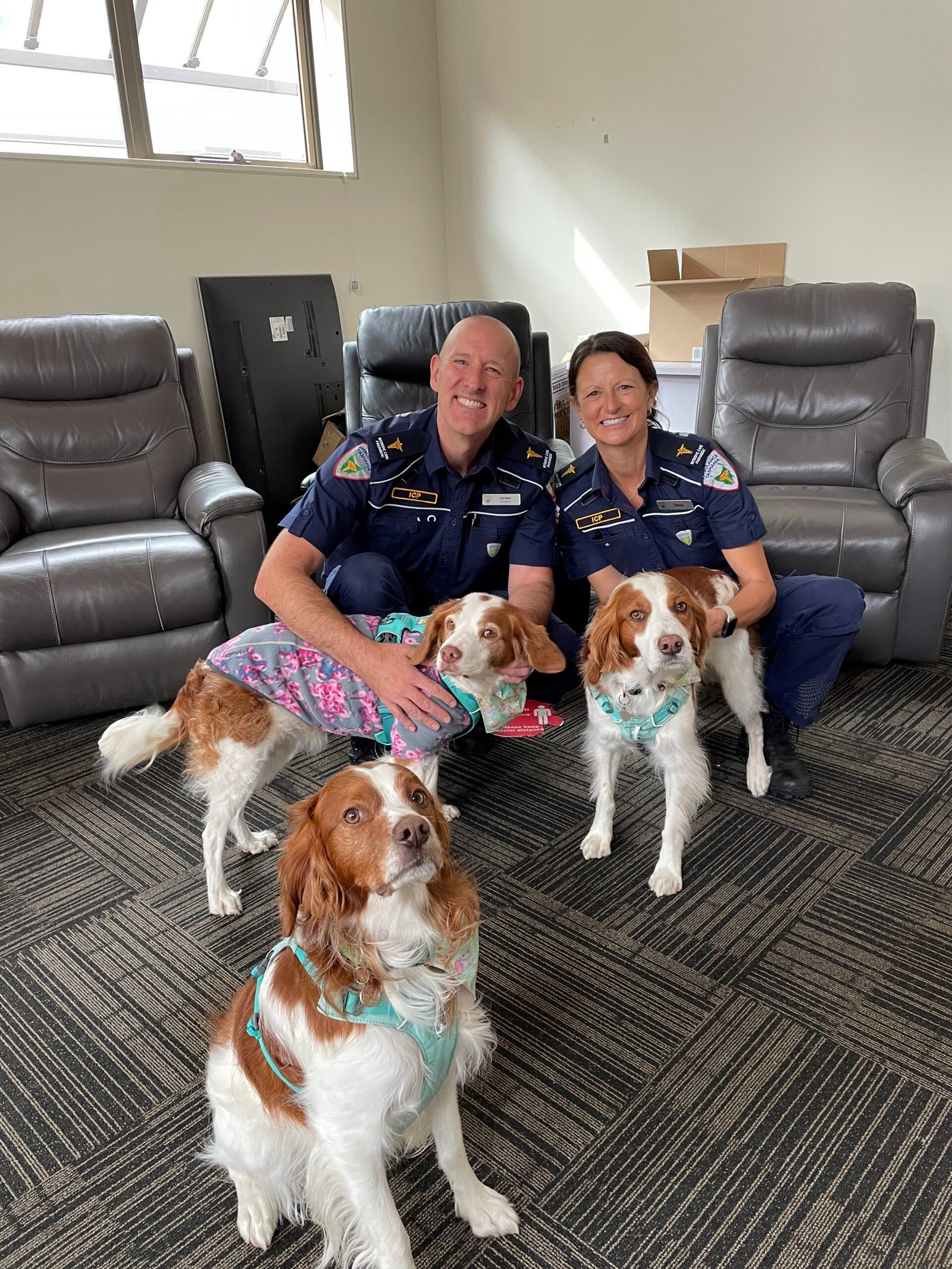
With Joe’s background as a Former Ambulance Service Chief Executive and Paramedic and Animal Health Technologist and Tania’s career as a Registered Emergency Nurse (RN) and Intensive Care Paramedic, we are trained to stay calm and act decisively. Leaving your primary and after-hours large-animal vet numbers, farrier contact, rural fire/CFA property number, and a trusted neighbour’s contact ensures seamless coordination if anything unexpected arises.
Preparing for Your Upcoming Trip?
Download our printable pre-trip handover checklist for home, pet, and farm & acreage owners, or save our 1-page sitter profile summary.